Upload date
All time
Last hour
Today
This week
This month
This year
Type
All
Video
Channel
Playlist
Movie
Duration
Short (< 4 minutes)
Medium (4-20 minutes)
Long (> 20 minutes)
Sort by
Relevance
Rating
View count
Features
HD
Subtitles/CC
Creative Commons
3D
Live
4K
360°
VR180
HDR
346,363 results
Breaking the network layer model into pieces, starting top-down, Richard G Clegg of Queen Mary University London explains the ...
25,928 views
3 days ago
Audible free book: http://www.audible.com/computerphile Catering for a global audience is difficult, Tom takes us through a ...
1,109,023 views
11 years ago
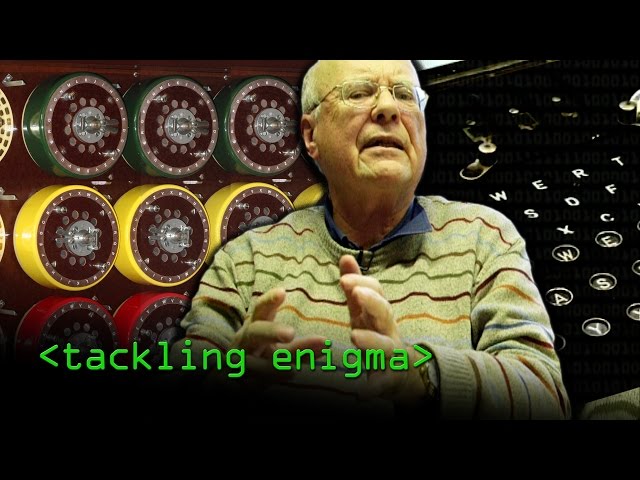
Just how did the team at Bletchley Park tackle the problem of decoding Enigma? In Part Two of our series on "The Real" Imitation ...
689,450 views
Huge memory addresses mean that not every address is valid. Matt Godbolt explains how the addresses are actually used.
76,530 views
6 months ago
Learn more about the Jane Street internship at https://jane-st.co/internship-computerphile-25 If a bug is found in SHA2, SHA3 is ...
155,473 views
5 months ago
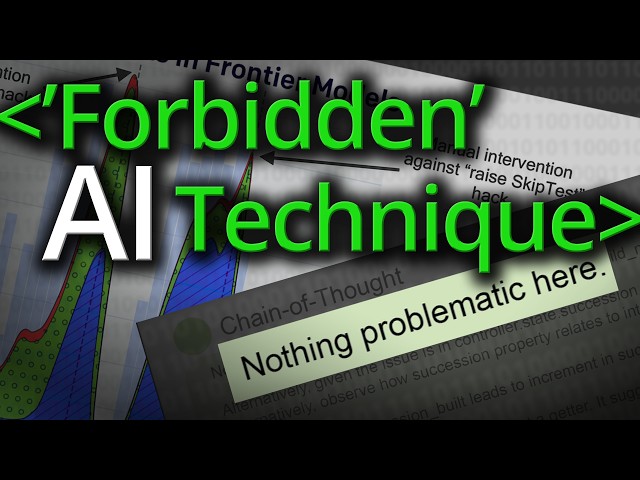
The so-called 'Forbidden Technique' with Chana Messinger -- Check out Brilliant's courses and start for free at ...
228,241 views
8 months ago
Connecting via SSH to a remote machine is second nature to some, but how does it work? Dr Steve Bagley. Dr Mike Pound on ...
903,767 views
7 years ago
Described as GenAIs greatest flaw, indirect prompt injection is a big problem, Mike Pound from University of Nottingham explains ...
581,927 views
11 months ago
'Beast' cracks billions of passwords a second, Dr Mike Pound demonstrates why you should probably change your passwords.
3,522,873 views
9 years ago
Commonly used grep was written overnight, but why and how did it get its name? Professor Brian Kernighan explains. EXTRA ...
1,291,372 views
How to we check to see if a black box system is giving us the right result for the right reason? Even a broken clock is correct twice ...
65,810 views
3 years ago
How do huge websites keep track of the traffic numbers? Buck Shlegeris outlines the probabilistic counting algorithm 'Hyperloglog ...
30,049 views
4 months ago
When the 3D dataset is too small to create models of frogs on stilts we have to think of a different way - Lewis Stuart is based at the ...
29,493 views
10 days ago
Computerphile is supported by Jane Street. Learn more about them (and exciting career opportunities) at: ...
436,092 views
1 year ago
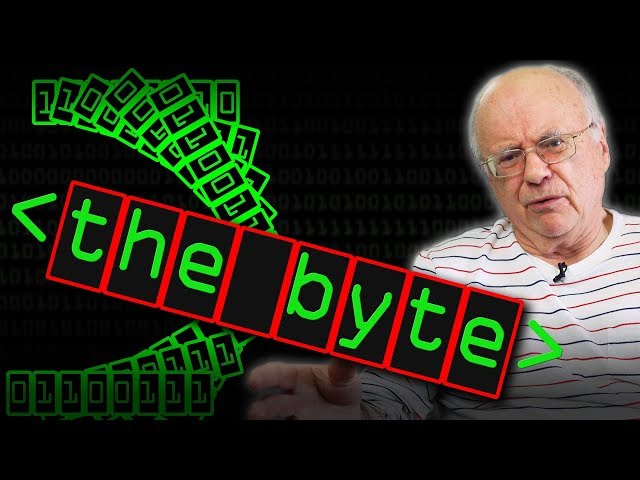
Why do we have 8 bits in a byte? Professor Brailsford on the origins of the humble byte. Why Use Binary?
559,540 views
Just what are elliptic curves and why use a graph shape in cryptography? Dr Mike Pound explains. Mike's myriad Diffie-Hellman ...
618,698 views
8 years ago
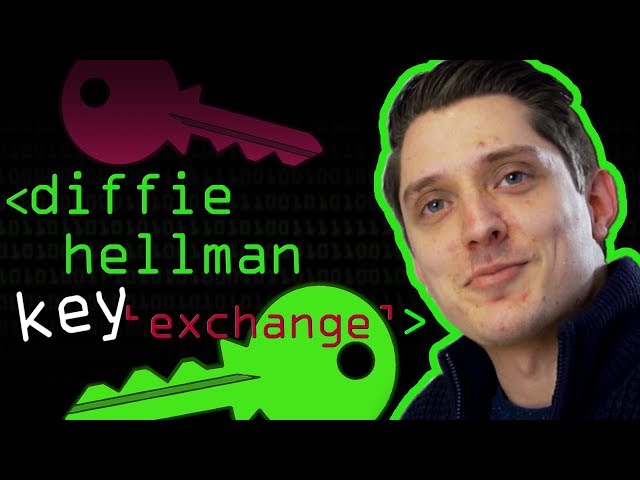
How do we exchange a secret key in the clear? Spoiler: We don't - Dr Mike Pound shows us exactly what happens. Mathematics ...
1,073,673 views
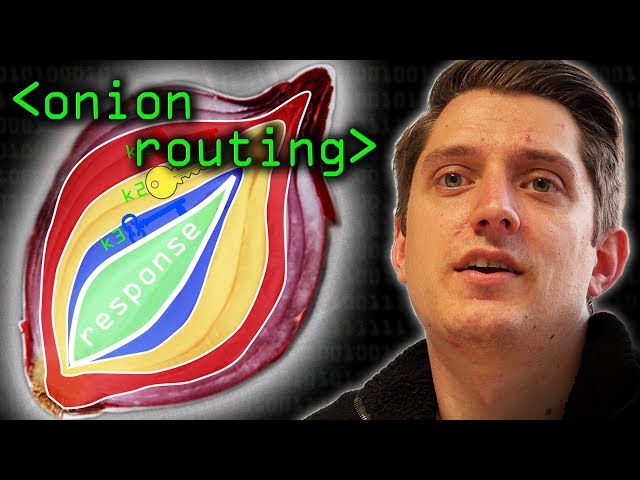
What goes on TOR stays on TOR, or so we hope. Dr Mike Pound takes us through how Onion Routing works. This video was ...
1,821,145 views
Audible free book: http://www.audible.com/computerphile Representing symbols, characters and letters that are used worldwide is ...
2,097,138 views
12 years ago
Emulation sounds difficult, begins to look simple and then ends up being difficult after all! Dr Steve Bagley explains.
219,686 views